Discover Why Clear Coat Peels and How to Repair It
Understanding Car Clear Coat Peeling
Seeing your car’s glossy finish peel can be discouraging. Peeling clear coat affects your car’s appearance and exposes paint to damage. With the right steps, you can repair peeling clear coat and restore your vehicle’s look. This guide covers repairs from minor flaws to serious damage.
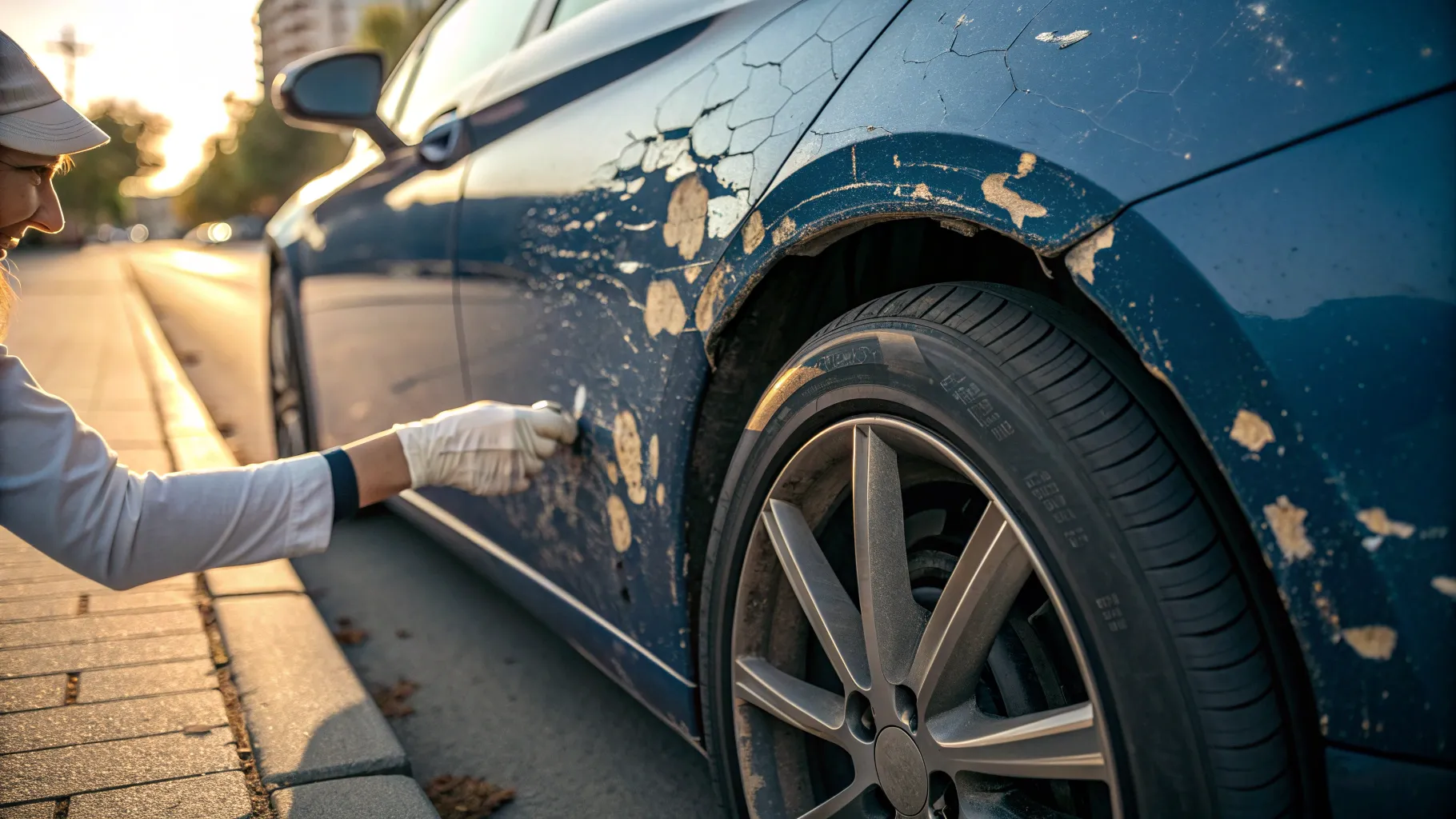
Before diving into how to fix peeling clear coat, it's crucial to understand why car clear coat peeling occurs. The clear coat is the outermost layer of your vehicle's paint system, providing gloss, depth, and protection against UV rays, chemicals, and abrasion. Over time, exposure to harsh sunlight, environmental contaminants, poor washing techniques, or even factory defects can cause this protective layer to break down, leading to cloudiness, yellowing, and eventually, peeling.
What Causes Clear Coat Degradation?
- UV Radiation: Prolonged sun exposure is a primary culprit, breaking down the clear coat's polymers.
- Chemical Exposure: Harsh cleaning products, bird droppings, or tree sap left on the surface can etch and compromise the clear coat.
- Improper Washing: Using abrasive materials or automatic car washes with harsh brushes can scratch and weaken the clear coat.
- Age and Wear: Even with proper care, the clear coat has a finite lifespan and will eventually show signs of wear.
Assessing the Damage: When Can You Fix Peeling Clear Coat?
The extent of the damage dictates the repair method. Minor peeling, often characterized by small, localized areas where the clear coat is lifting, is typically a good candidate for DIY clear coat repair. However, if the peeling is widespread, extends into the color coat, or if there's significant rust, a professional repaint might be necessary. This guide focuses on viable methods for how to fix peeling clear coat that hasn't compromised the integrity of the underlying paint layer too deeply.
Tools and Materials for Clear Coat Repair
To successfully fix peeling clear coat, you'll need a few specialized items. Ensure you have these ready before you begin:
- Automotive masking tape
- Various grits of sandpaper (e.g., 400, 800, 1500, 2000, 3000-grit wet/dry)
- Rubbing alcohol or wax and grease remover
- Clean microfibers cloths
- Tack cloths
- Automotive primer (if needed)
- Clear coat spray can (automotive grade, 2K is highly recommended for durability)
- Polishing compound and buffer/polishing pads
- Gloves and safety glasses
Step-by-Step Guide: How to Fix Peeling Clear Coat
Follow these steps carefully to achieve the best results for your clear coat peeling repair:
Preparation and Cleaning
Begin by thoroughly washing the affected area of your car. Use a wax and grease remover to ensure the surface is absolutely clean and free of any contaminants. Mask off the surrounding areas of your vehicle to protect them from sanding and overspray.
Sanding Down the Peeling Clear Coat
The goal here is to create a smooth transition between the intact clear coat and the area where the clear coat has peeled. Start with a coarser grit sandpaper (e.g., 400 or 800) to carefully sand away the peeling edges. Work your way up to finer grits (1500-2000) to feather out the edges and smooth the entire repair area. The surface should feel smooth to the touch, with no discernible ridges. This is a critical step in knowing how to fix clear coat effectively.
Applying New Clear Coat
Once the area is prepped, wipe it down with a tack cloth to remove any dust. If the sanding went through to the primer or bare metal, apply a thin layer of automotive primer and allow it to dry according to manufacturer instructions. Next, apply several light, even coats of your automotive clear coat spray. Allow appropriate flash-off time between coats, and always follow the product's specific instructions for drying and curing. For optimal durability, a 2K (two-part) clear coat is highly recommended, as it offers superior resistance to UV and chemicals, making your clear coat peeling repair last longer.
Finishing and Polishing
After the new clear coat has fully cured (this can take 24-72 hours, depending on the product and conditions), you'll likely have some orange peel texture or minor imperfections. Wet sand the newly applied clear coat with very fine grit sandpaper (2500-3000 grit) to smooth it out. Then, use an automotive polishing compound and a buffer to bring back the shine. Work in small sections until the repaired area blends seamlessly with the original finish.
Preventing Future Car Clear Coat Peeling
Once you've learned how to fix peeling clear coat, you'll want to prevent it from happening again. Regular maintenance is key:
- Wash Regularly: Use pH-neutral car wash soap and soft microfiber towels.
- Wax/Sealant Application: Apply a high-quality wax or synthetic sealant every 3-6 months to add an extra layer of UV protection.
- Park in Shade: Whenever possible, park your car in a garage or shaded area to minimize direct sun exposure.
- Address Contaminants Promptly: Remove bird droppings, tree sap, and bug splatter as soon as possible.
By following these steps, you can significantly prolong the life and appearance of your vehicle's paint, ensuring your investment stays protected.
Authored by Daily List Feed team